Why Chinatown council rules matter for outdoor flowers
Posted on 14/10/2026
Outdoor flowers can completely change the feel of a Chinatown frontage. A neat row of planters, a seasonal display outside a shop, or a well-placed floral welcome can make a small space feel generous and warm. But in a busy part of London, the look is only half the story. Why Chinatown council rules matter for outdoor flowers is really about keeping that beauty safe, legal, tidy, and considerate for everyone sharing the pavement.
If you have ever seen a lovely display that suddenly looked awkward because it blocked foot traffic, you already understand the problem. Councils care about visibility, access, public safety, and the overall street environment. Business owners care about presentation, reputation, and avoiding hassle. And customers? They usually just want to walk past without squeezing sideways around a planter at rush hour. Fair enough.
This guide breaks down what those rules typically aim to do, how they work in practice, and how to use outdoor flowers in a way that feels elegant rather than overcomplicated. We will cover compliance, practical setup, common mistakes, and the sort of details people often miss until they get a warning. Slightly annoying, yes. Preventable, also yes.
- Why council rules matter
- How the rules work in practice
- Key benefits of following them
- Who needs this guidance
- Step-by-step guidance
- Expert tips for better results
- Common mistakes to avoid
- Tools, resources and recommendations
- Law, compliance and best practice
- Options and comparison table
- Real-world example
- Practical checklist
- Conclusion
- Frequently asked questions
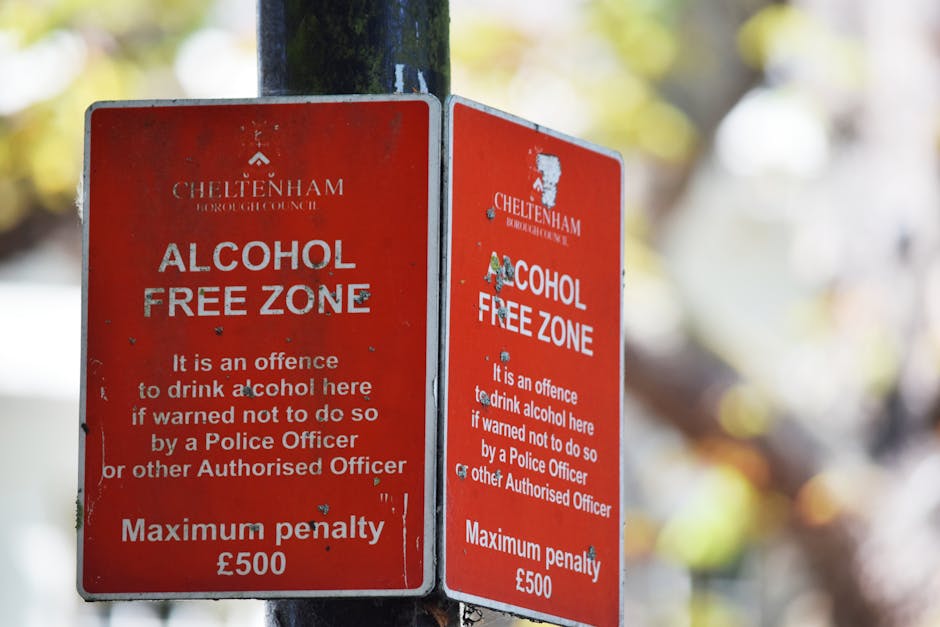
Why Why Chinatown council rules matter for outdoor flowers Matters
At street level, outdoor flowers do more than decorate. They signal care. They tell people a business is open, thoughtful, and paying attention. In Chinatown, where the visual character of a street can be part of the experience itself, flowers also contribute to atmosphere and identity. That is the upside.
The reason council rules matter is that outdoor flowers sit in shared space. They are not private indoor decor. They live on pavements, forecourts, thresholds, building edges, and other locations where the public also moves, waits, shops, dines, delivers, cleans, and sometimes rushes with bags in both hands. One oversized arrangement can make a narrow footway feel tighter than it should. One unstable stand can become a hazard on a windy day. One poorly placed planter can create a pinch point for wheelchairs, pushchairs, or older pedestrians.
Truth be told, the issue is rarely the flowers themselves. It is the way they are managed. Councils generally care about the practical impact: access, obstruction, cleanliness, escape routes, and whether the display stays within any allowed boundary. If you ignore those basics, even the prettiest arrangement can become a problem. And in a busy area, problems travel fast. A complaint from one neighbour or passer-by can turn into an avoidable conversation with the council.
There is also the reputation angle. A business that respects local rules tends to look more reliable. That can matter as much as the flowers. Customers notice when a frontage feels orderly. They also notice when it feels cluttered, noisy, or a bit desperate, like too much is being asked of a small pavement. Less is often better than more.
Expert summary: Outdoor flowers work best when they enhance the street without taking control of it. In practice, that means thinking about access, safety, maintenance, and neighbourhood character before you think about colour or flower choice.
How Why Chinatown council rules matter for outdoor flowers Works
There is no single universal rulebook that covers every frontage in every part of Chinatown. Instead, the practical reality usually involves a mix of local council expectations, property permissions, public access requirements, and common-sense safety standards. If that sounds a little messy, well, it can be. But the logic is straightforward once you break it down.
1. The council looks at the space, not just the display
What matters most is how the flowers affect the surrounding area. A planter on a wide frontage may be fine. The same planter outside a narrow shopfront could cause an obstruction. Councils tend to be far more concerned about impact than aesthetics. The display may be beautiful, but if it narrows walking routes or creates trip risks, beauty will not save it.
2. Permission can depend on ownership and location
Some outdoor flower arrangements are part of a private frontage; others extend onto land that is governed by different rules. If the display touches public pavement, the standard becomes stricter. In some cases, property managers, landlords, or building operators may also have a say. So if a florist, cafe, restaurant, or retailer is planning a display, it is sensible to check more than one layer of approval. That saves a lot of backtracking later.
3. Maintenance is part of compliance
A display that starts neatly can still become non-compliant if it spills soil, sheds petals, blocks gutters, leans into the path, or gets left out after closing. In other words, it is not enough to set it and forget it. You need a plan for watering, replacing wilted stems, securing pots, and removing damaged material before it becomes messy.
4. Visibility and safety are ongoing concerns
Councils and building managers often care about line of sight, especially near entrances, crossings, corners, and any location where pedestrians and vehicles interact. Tall flowers, hanging baskets, or dense arrangements can be lovely, but they should not hide signage, obscure sightlines, or interfere with emergency access. It sounds obvious. It often gets missed anyway.
5. Temporary and seasonal setups are treated differently
A short-lived display for a celebration, festival, or event may be tolerated differently from a permanent arrangement. That does not mean temporary equals free-for-all. It usually means the expectations are a bit more flexible, provided the display remains safe and tidy. Seasonal displays still need the same basic discipline, just with fewer months on the calendar.
In practical terms, the rules work like a filter. The more your outdoor flowers affect public space, the more care you need to take. Simple enough, really. But that one principle explains a lot.
Key Benefits and Practical Advantages
Following Chinatown council rules is not just about avoiding trouble. It also improves the display itself. Once you start designing within sensible limits, the result tends to look more polished and last longer. There is a kind of discipline to it.
- Better public safety: Clear walkways, stable containers, and sensible placement reduce the risk of trips, knocks, and clutter.
- Cleaner presentation: Displays that fit the space tend to look intentional rather than forced.
- Fewer complaints: A well-managed frontage is less likely to upset neighbours, passers-by, or nearby businesses.
- Less waste: Plants and flowers chosen for the right location usually last longer and need fewer emergency fixes.
- Stronger brand image: A compliant display supports the impression that the business is organised and dependable.
- Lower risk of removal or intervention: When a display meets expectations, there is less chance of being asked to change it at short notice.
One useful side effect is that better compliance can also improve the flowers themselves. If a planter is protected from constant foot traffic, it stays cleaner. If it is placed where it gets the right amount of sun and shelter, it lasts longer. If it is sized correctly, it looks calmer. Not glamorous, perhaps, but it works.
There is also a customer-experience angle. Outdoor flowers can slow the pace of a street in a good way. A neat display outside a florist or restaurant gives people a moment to pause, look, and feel welcome. That is harder to achieve if the arrangement is banging against chairs, leaning into the path, or being watered with obvious panic at 8:45 in the morning.
Who This Is For and When It Makes Sense
This topic matters to a fairly wide group. You do not need to run a big premises to care about it, and you do not need a massive display either. Sometimes the smallest window box causes the biggest headache because it is placed in the wrong spot. Happens all the time.
Business owners and shopfront operators
If you run a florist, cafe, restaurant, boutique, beauty salon, or gift shop in Chinatown, outdoor flowers can be a smart part of your frontage. They can soften hard edges and make the entrance feel more welcoming. But they need to work with the pavement, not against it. This is where a measured approach matters most.
Hospitality venues
Restaurants and bars often use flowers to support ambience, especially at entry points or terrace edges. The challenge is keeping that atmosphere consistent without crowding guests or staff. In hospitality, one knocked-over planter near a busy entrance can become a daily nuisance. Better to plan carefully from the start.
Event organisers and seasonal decorators
For weddings, launches, cultural celebrations, or community events, outdoor flowers can set the tone quickly. Yet temporary displays still need structure. You may have less time to worry about long-term maintenance, but you still need safety, placement, and removal plans. Otherwise the "beautiful for one day" look can become "why is this still here?" by the next morning.
Property managers and landlords
If you oversee a parade of units or mixed-use premises, your focus is usually consistency. You want displays that improve the area without creating liability. That means having a clear standard, so each tenant or operator knows what is acceptable.
Florists and floral stylists
For a florist, rules shape how you recommend arrangements for outside use. You need to think about wind exposure, container weight, drainage, and the realistic ability of the client to maintain the display. The most elegant arrangement in the world is a poor choice if it falls apart by lunchtime.
When does it make sense to be especially careful? Pretty much any time the flowers are on or near a public route, door, step, ramp, entrance, or narrow frontage. If the space already feels tight, assume the bar for caution is higher.
Step-by-Step Guidance
If you are planning outdoor flowers in Chinatown, a structured approach saves time and avoids awkward surprises. Here is a practical way to handle it.
Step 1: Measure the available space properly
Do not eyeball it and hope for the best. Measure the width of the frontage, the clear walkway, door swing space, and any pinch points near bins, signs, chairs, or queue lines. A display that looks fine on a spreadsheet may feel completely different once people are moving through the area.
Step 2: Identify what the flowers will sit on or in
Will you use planters, troughs, baskets, pots, pedestal stands, or integrated arrangement pieces? Each option behaves differently. Heavy planters are more stable. Hanging arrangements save floor space but may need stronger fixing. Low pots are less intrusive, but can be kicked or moved if they are too light. There is no perfect choice, only the right one for the location.
Step 3: Check the local rules and permissions
Before buying stock or booking a display, confirm whether the flowers will remain entirely on private land or whether any part encroaches into a public area. If they do, the compliance threshold usually becomes much more important. It may also be worth checking whether your landlord, building manager, or neighbouring occupier has specific conditions. A quick check now is a lot easier than a forced change later.
Step 4: Choose flowers suited to the setting
Outdoor flowers need to survive the actual conditions they face. In a busy central London setting, that often means more wind, pollution, occasional lack of shelter, and a lot of incidental handling. Stronger stems, resilient varieties, and arrangements that cope with partial shade or sun are often a better fit than delicate showpieces. In practice, the "best" flowers are the ones that still look good after a normal day, not just at 9:00 a.m.
Step 5: Build in stability and maintenance
Use weighted containers where needed. Make sure drainage is sensible. Plan watering, deadheading, and replacement. If the display is outside a cafe or shop, decide who is responsible each day. The best-looking setup is the one somebody actually tends to. Simple, but true.
Step 6: Test the route from the public point of view
Stand where a pedestrian would stand. Walk past it. Push a buggy past it if that is realistic for the location. Consider someone carrying shopping, someone with limited mobility, or someone looking at a phone while walking, because yes, that happens constantly. If the display feels awkward from any of those viewpoints, adjust it.
Step 7: Recheck after the first day and after weather changes
Morning looks, lunchtime traffic, evening light, and a damp, windy day all tell you different things. A display that seems perfect indoors can lean, spill, or lose shape outside. That first recheck is worth doing. It often catches the little issues that turn into big ones.
Expert Tips for Better Results
Good outdoor flower displays tend to share a few quiet habits. Nothing flashy. Just careful choices made before the first stem goes in.
- Keep the visual line simple: A few strong pieces often look better than many small ones. Too many containers can make a frontage feel crowded.
- Match scale to the street: A narrow London pavement usually needs lower, tighter designs rather than broad, sprawling arrangements.
- Use weight wisely: Heavy bases reduce movement. Lightweight pieces may work indoors but can wobble outside. Bit of a classic mistake, that one.
- Think in layers: The display should read well from a distance and up close. One layer for impact, another for detail.
- Choose colours that suit the frontage: If the building already has strong signage or bright finishes, quieter tones can feel more refined.
- Leave breathing room: Flowers need space to look deliberate. Crowding them against doors or rails makes them feel like afterthoughts.
- Plan for the ugly parts: Water runoff, petal drop, broken stems, and bin day all happen. Design for reality, not just the perfect photo.
One small trick from experience: step back ten metres and look again. Up close, every bloom seems important. From further away, only the overall shape matters. And that is usually where the real answer is hiding.
Do the simple things well and the display starts looking expensive, even when it was not.
Common Mistakes to Avoid
Most problems with outdoor flowers are not dramatic. They are small, repeated errors that add up. The good news is that they are easy to avoid once you know what to watch for.
Blocking the pedestrian route
This is the big one. If flowers narrow the clear path or create a squeeze point, they become a public issue quickly. Do not assume that because people can technically get past, the setup is fine. "Technically" is doing a lot of heavy lifting there.
Using unstable containers
Lightweight pots, loose stands, and poorly balanced baskets can move in wind or with incidental contact. A display that topples once is already too many times. Stability should be designed in, not hoped for.
Ignoring drainage and watering
Water pooling on pavements can be slippery and untidy. If drainage is not managed, the display can leave stains, muddy patches, or a soggy mess around the base. People really do notice that sort of thing.
Choosing flowers that cannot cope outdoors
Some indoor favourites do not perform well in exposed or semi-exposed settings. If a plant wilts quickly, drops petals heavily, or reacts badly to wind, it is probably not the right match for a public frontage.
Setting and forgetting
The most common operational mistake is treating the display like a one-off installation. Outdoor flowers need light maintenance. No big drama, just routine attention. Without it, a display can go from elegant to tired rather fast.
Overdecorating the frontage
More is not always more. Too many colours, too many containers, and too many decorative extras can make a small entrance look cluttered. The eye gets tired. The street does too.
Forgetting removal plans
If the flowers are temporary, make sure there is a clear end time and a clear handoff for removal. Displays left out too long often become the least charming thing on the pavement. Not ideal.
Tools, Resources and Recommendations
You do not need a complicated toolkit to manage outdoor flowers well. You do need a few practical basics and a clear process.
- Measuring tape: Useful for checking frontage width, clearances, and pot placement.
- Stable containers or weighted planters: Helps keep displays secure in exposed conditions.
- Watering schedule: Whether on paper or in a shared calendar, consistency matters.
- Maintenance checklist: A simple list for watering, trimming, wiping spills, and checking stability.
- Weather awareness: Wind and rain can change everything, especially on an open street.
- Supplier advice: A good florist should be able to suggest flowers that suit the location and season.
If you are buying regularly for a shopfront, it can also help to use a repeatable style palette. That way your display stays recognisable without becoming stale. If you want inspiration for seasonal colour groupings or occasion-based choices, browsing the range of all flowers or a more curated selection like best sellers can help you think through what works best for a visible outdoor setting.
For businesses that like to match their flowers to a broader customer experience, the product pages for florist services in Chinatown W1 and flower shops in Chinatown W1 are useful starting points for practical planning. If you are comparing delivery timing for an event or changeover, the information on delivery can also be helpful.
And if the display is part of a wider business setup, not just a one-off decoration, it is worth keeping policies and practical obligations in mind too. Small things matter. They always do.
Law, Compliance, Standards, or Best Practice
Because this topic touches public space, it is sensible to treat compliance carefully. In the UK, the precise rules can depend on the local council, the exact site, the type of display, and whether any part of it touches public highway, shared access, or a managed frontage. The details can vary, so it is best not to assume one arrangement is automatically acceptable everywhere.
As a general best-practice approach, outdoor flowers should:
- leave enough clear space for pedestrians to pass comfortably
- avoid creating trip hazards, sharp edges, or unstable objects
- not block entrances, exits, ramps, or access routes
- stay tidy, clean, and well maintained
- be secured appropriately for wind and foot traffic
- respect any property, building, or area-specific conditions
If your display is near an active business entrance or a busy pavement, a cautious approach is usually the safest one. That is not the same as being restrictive for no reason. It simply recognises that shared spaces need shared care. In a place like Chinatown, where movement is constant and the streets are visually lively, the margin for messy improvisation is small.
It is also worth keeping basic documentation, especially for recurring displays. A simple note of when arrangements are installed, maintained, inspected, and removed can be useful if anyone asks questions later. Nothing fancy. Just enough to show the process is being managed responsibly.
If a landlord, building manager, or venue operator has internal standards, follow them as part of your setup. Those standards may be stricter than general public guidance. Annoying sometimes, yes. But they exist for a reason.
Options, Methods, or Comparison Table
Different outdoor flower setups suit different types of frontage. Here is a simple comparison to help with decisions.
| Option | Best for | Advantages | Trade-offs |
|---|---|---|---|
| Window boxes | Narrow fronts and compact displays | Neat, space-saving, visually tidy | Limited planting depth and seasonal flexibility |
| Freestanding planters | Shopfronts with a little more room | Strong visual presence, easy to redesign | Can obstruct if oversized or poorly placed |
| Hanging baskets | When floor space is tight | Keep pavements clear, add height and colour | Need secure fixing and regular watering |
| Event floral features | Temporary promotions or celebrations | High impact, flexible design | Requires quick installation and removal planning |
| Mixed seasonal displays | Businesses wanting year-round interest | More variety, better visual rhythm | Needs more maintenance and coordination |
The right choice depends on footfall, frontage width, weather exposure, and how much routine care you can realistically provide. A display that looks fantastic in a quiet side street may be hopeless on a busy main route. Context wins every time.
If you are weighing cost and presentation together, it can be useful to look at budget-friendly options alongside more premium styles. For example, cheap flowers in Chinatown W1 may work for a short-term refresh, while best flower delivery in Chinatown W1 can suit more polished, recurring displays. Different jobs, different expectations.
Case Study or Real-World Example
Here is a realistic scenario from the kind of situation many local businesses face. A small restaurant on a busy Chinatown street wanted to add seasonal flowers at the entrance to make the place feel warmer in the evening. At first, the team planned two tall planters on either side of the door. Looked elegant on paper. On the pavement, though, the space felt narrower than expected, especially once people queued for tables and delivery riders started passing through.
Instead of forcing the original idea, they changed the setup. They switched to lower, weighted containers with denser planting, pulled the display slightly back from the main pedestrian line, and added a short maintenance routine for watering and trimming. The result was calmer, easier to move around, and more in keeping with the street. The display still felt inviting, just less shouty.
That kind of adjustment is exactly why council rules matter. The rules are not there to spoil the look. They push businesses towards designs that work in the real world. And the real world, as any shop owner knows, includes rain, rush hour, curious children, and somebody always carrying something larger than they should.
The restaurant also found that the flowers lasted longer than expected after the change. Why? Less exposure to accidental knocks, less water spill, and better airflow. Nothing magical. Just better placement.
Practical Checklist
Use this checklist before putting outdoor flowers in place.
- Measure the frontage and keep the walking route clear
- Check whether the display touches public pavement or shared space
- Confirm any landlord, venue, or building approvals needed
- Choose flowers and containers that suit outdoor conditions
- Use stable, weighted, or securely fixed planters where needed
- Make sure watering will not create slips, stains, or runoff
- Keep the design simple enough to look neat from a distance
- Inspect the display after installation and after bad weather
- Set a maintenance routine for trimming, cleaning, and replacement
- Plan the removal date for temporary or seasonal displays
Quick reminder: if the setup feels even slightly cramped when you test it in person, it probably is. Give it more room than your first instinct suggests. That extra bit of breathing space often makes all the difference.
Conclusion
Outdoor flowers in Chinatown can do a lot of good. They brighten a frontage, soften the pace of the street, and make a business feel more welcoming in a very practical way. But they only work well when the display respects the rules of the space. That is the heart of it.
Why Chinatown council rules matter for outdoor flowers comes down to balance: beauty without obstruction, style without clutter, and atmosphere without risk. If you get that balance right, the flowers become an asset rather than a worry. And once the system is in place, it is not difficult to maintain. It just needs care, a bit of discipline, and a willingness to look at the space honestly.
If you are planning a new display or updating an existing one, start with the pavement, then the permission, then the flowers. In that order. It saves time, money, and a lot of awkward second-guessing later. And honestly, that calmer approach usually looks better too.
Get a free quote today and see how much you can save.
Frequently Asked Questions
Do council rules really affect small outdoor flower displays?
Yes, they can. Even a small planter or window box may matter if it affects access, safety, or the public pathway. The smaller the space, the more important placement becomes.
What makes outdoor flowers a council issue in Chinatown?
Usually it is the shared nature of the space. Chinatown can be busy and tight in places, so flowers that look harmless in isolation may still create an obstruction or safety concern on a public street.
Are temporary flower displays treated differently from permanent ones?
Often, yes, but not always in a way that removes responsibility. Temporary displays still need to be safe, tidy, and appropriate for the space. Short-term does not mean no rules.
Can I place flowers on the pavement outside my business?
That depends on ownership, permissions, and local conditions. If any part of the display sits in a public or shared area, it is wise to check carefully before putting it in place.
What flowers work best for outdoor use in a busy street?
Hardier varieties that cope well with wind, partial shade, and regular handling tend to be better than fragile indoor-style blooms. Strong stems and stable arrangements usually perform best.
How can I keep outdoor flowers from becoming a hazard?
Use weighted containers, keep clear walkways, avoid spill-prone watering, and inspect the display regularly. A good display should feel calm and stable, not wobbly or crowded.
Do I need permission for floral displays outside a shop or cafe?
Maybe. It depends on where the flowers sit and who controls the space. If the arrangement reaches public ground or affects shared access, permission or approval may be needed.
What is the biggest mistake businesses make with outdoor flowers?
Blocking the pedestrian route. It sounds simple, but it is the mistake that causes the most trouble. After that, poor maintenance is usually the next big problem.
How often should an outdoor floral display be checked?
At minimum, check it after installation and after any significant weather change. For active shopfronts, daily visual checks are sensible because conditions can change quickly.
Can outdoor flowers improve a business image even if they are small?
Absolutely. Small, well-kept flowers can make a frontage look considered and welcoming. Often, a neat modest display works better than something oversized and hard to manage.
Should I choose cheaper flowers for an outdoor display?
Not automatically. Budget matters, of course, but outdoor conditions can shorten the life of unsuitable flowers. It is usually better to choose varieties that will last in the actual setting, even if they cost a little more.
What should I do if my display gets complaints?
Take them seriously and review the placement, size, and maintenance. Often a small adjustment solves the problem quickly. If the issue is access or safety, act promptly rather than waiting it out.
Outdoor flowers can be one of the nicest details on a street when they are handled properly. Done well, they quietly lift the whole corner. That is worth doing right.