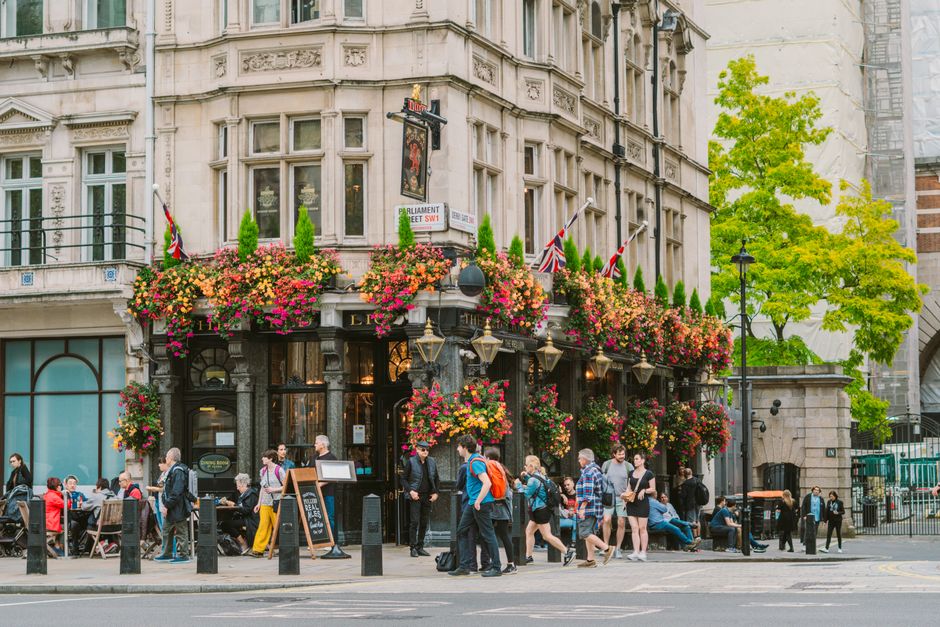
Leicester Square wedding flowers case study before and after
Posted on 06/10/2026
Seeing a Leicester Square wedding flowers case study before and after is one of the easiest ways to understand what good floral design actually looks like in a real wedding setting. Not the polished studio shots only. The real difference between a flat, slightly disconnected floral setup and a ceremony space that feels cohesive, romantic, and properly finished.
If you are planning a London wedding, or even just refining the flower brief for a central venue, this kind of case study helps you judge style, scale, colour balance, and budget priorities with far more confidence. You can spot what changed, why it changed, and which decisions made the biggest visual impact. That is useful, because flowers are one of those details that can look simple until you start pricing, sourcing, and matching them to an actual space. Then, well, it gets a bit more real.
In this guide, we will break down how a wedding flower transformation is usually planned, what to look for in a before-and-after comparison, and how to avoid common mistakes. You will also find a practical checklist, a comparison table, and a real-world style example built around the Leicester Square setting.
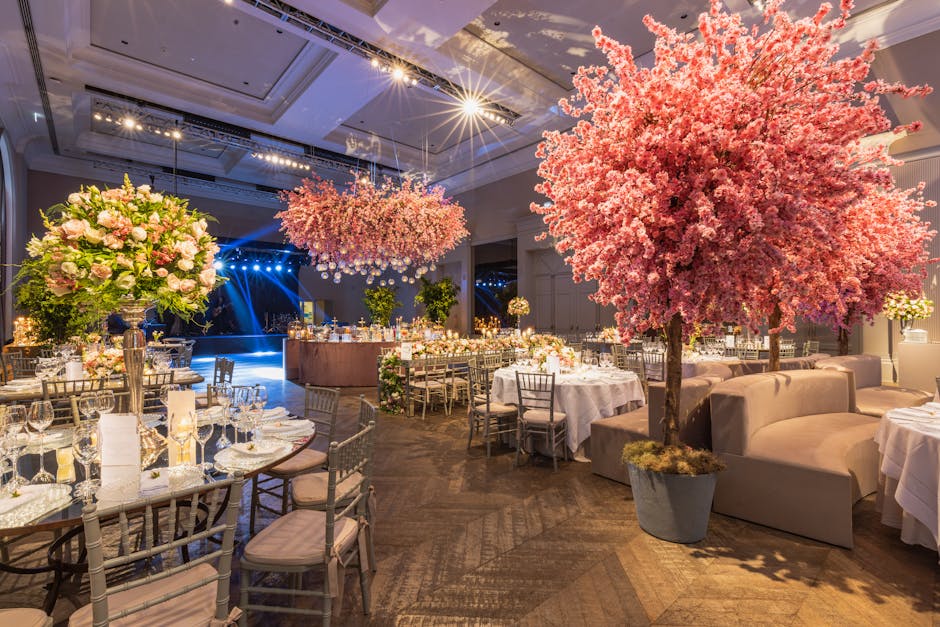
Table of Contents
- Why Leicester Square wedding flowers case study before and after Matters
- How Leicester Square wedding flowers case study before and after Works
- Key Benefits and Practical Advantages
- Who This Is For and When It Makes Sense
- Step-by-Step Guidance
- Expert Tips for Better Results
- Common Mistakes to Avoid
- Tools, Resources and Recommendations
- Law, Compliance, Standards, or Best Practice
- Options, Methods, or Comparison Table
- Case Study or Real-World Example
- Practical Checklist
- Conclusion
- Frequently Asked Questions
Why Leicester Square wedding flowers case study before and after Matters
A before-and-after flower case study is not just about pretty pictures. It shows the thinking behind the design. And that matters more than people expect.
Leicester Square is a highly visible, high-footfall part of central London, so weddings there tend to need flowers that work in a compact, urban setting. You are often dealing with strong architecture, busy surroundings, mixed indoor and outdoor transitions, and limited time for setup. A weak floral plan can look lost. A better one creates instant atmosphere without fighting the location.
That is the value of a case study: it helps you see the gap between an empty or underdressed space and one that feels intentional. You can assess whether the flowers improved the room, corrected visual imbalance, or simply added volume without adding clarity. There is a difference. A big one, to be fair.
For couples, planners, and venues, these comparisons also help set expectations. You begin to see how much can change with:
- colour choices that work with the venue rather than against it
- better proportion between table flowers and room size
- more considered bridal party flowers, such as bouquets and buttonholes
- a stronger link between ceremony flowers and reception styling
- freshness and quality control that holds up for photos and guest arrival
It also helps when a couple has a clear idea but not a detailed one. Many people know they want "romantic" or "luxury" flowers. Fair enough. But what does that mean in practice? A case study gives you a visual language: fuller rose-led arrangements, softer whites, bolder colour contrast, seasonal mixing, or a more modern minimal shape.
Expert summary: A good before-and-after comparison should show more than decoration. It should show how flowers changed the mood, improved the layout, and made the wedding feel finished from the first glance.
How Leicester Square wedding flowers case study before and after Works
In simple terms, this kind of case study compares the starting point with the final floral result. The "before" is usually the venue without styling, or a basic setup with only essential pieces in place. The "after" shows the same space once the floral design has been installed and all the visual details are working together.
For Leicester Square weddings, the process usually starts with the space itself. Central London locations often have a lot of visual activity outside the room, so the floral design has to create a sense of calm and focus inside it. The flowers are not there to compete with the city; they are there to create a moment that feels separate from it.
The design process usually includes:
- Assessing the space - table size, ceremony layout, light levels, entrance areas, and photography angles.
- Choosing the style direction - classic, modern, romantic, seasonal, luxury, or understated.
- Selecting the main flowers - often roses, lilies, orchids, lisianthus, or mixed seasonal stems depending on the brief.
- Building structure - bridal bouquet, bridesmaid bouquets, buttonholes, centrepieces, ceremony flowers, and any statement arrangements.
- Balancing colour and shape - making sure the flowers suit the couple, the venue, and the photos.
- Planning logistics - delivery timing, setup access, flower freshness, and post-ceremony movement if arrangements need to be reused.
In practical terms, the after-effect should be obvious but not overworked. The flowers should improve the room, not flood it. People often think more is automatically better. Not always. A table arrangement can look expensive and elegant if the proportions are right, while a larger one can feel awkward if it blocks conversation or overwhelms the table.
A strong case study will usually point out what changed visually. For example, the before may feel sparse, with too much empty space and no focal points. The after might use a combination of bridal bouquets, a floral arch or ceremony arrangement, and coordinated table centrepieces to create rhythm from one area to the next. That rhythm is what makes a wedding feel polished.
Key Benefits and Practical Advantages
The obvious benefit is visual impact. But if you stop there, you miss most of the value.
A well-documented before-and-after flower study can help you make smarter decisions in a few different ways:
- Better budgeting: you can see where money actually made a difference, rather than assuming every flower has equal value.
- Clearer planning: you can separate must-have items from nice-to-have extras.
- More confidence in style choices: especially useful if you are torn between white and green, soft pastels, or a richer mixed palette.
- Improved photography: flowers that frame the couple or soften a room often read beautifully in images.
- Better guest experience: arrangements can guide movement, define dining spaces, and create atmosphere without getting in the way.
- Less risk of over-ordering: a case study can show where restraint actually looked better.
There is also a very practical benefit for people planning in central London: local spaces can be tight. Delivery windows may be narrow, access may be awkward, and setup needs to be efficient. A flower plan with a clear before-and-after logic tends to be more workable because it was designed around the venue, not just the mood board.
And let's be honest, when you are getting ready on the day, you do not want to be wondering whether the arrangements are too small or too much. You want that calm feeling of, yes, this is working.
Who This Is For and When It Makes Sense
This kind of case study is useful for a few different people, and not just couples.
- Engaged couples who want to understand how flowers will actually transform a venue.
- Wedding planners looking for a quick visual reference during supplier conversations.
- Venues that want to show how their space can be styled for ceremonies and receptions.
- Florists who need to explain the difference between basic and premium designs without overcomplicating it.
- Families helping with planning when they need a sensible, visual guide rather than abstract ideas.
It makes sense especially when the couple is:
- choosing between a small number of design routes
- trying to match flowers to a Leicester Square or nearby central London venue
- working to a fixed budget and needs to see where to prioritise
- unsure whether to invest more in bouquets, centrepieces, or ceremony florals
- looking for a style that feels elegant in photos, but still manageable on the day
If you are already clear on the exact flower palette and arrangement style, a case study is still useful. If you are not, it is even more useful. Truth be told, most people are somewhere in the middle. You know the feeling you want. You just need help translating that into a sensible floral plan.
Step-by-Step Guidance
Here is a straightforward way to plan a wedding flower transformation and evaluate it properly.
1. Start with the space, not the flowers
Look at the room, aisle, table layout, and any entrance points first. In Leicester Square, the setting often does a lot of work already, so your flowers should complement the architecture and lighting rather than fight for attention.
2. Decide what the flowers must do
Are they there to make the ceremony feel intimate? To soften a dining space? To create strong photo moments? Once you know the job, the design becomes much easier.
3. Build around the biggest visible items
Usually this means the bridal bouquet, ceremony statement piece, and reception centrepieces. Those are the items guests and photographers notice first. Smaller details matter too, of course, but the big visual anchors shape the whole look.
4. Choose flowers that hold the mood together
Roses, lilies, orchids, lisianthus, hydrangea, and mixed seasonal stems each create a different effect. A rose-led design often feels classic and romantic. Orchids bring a more contemporary or polished feel. Lisianthus softens the look without making it overly busy.
5. Check how the design reads in the room
Always think in terms of height, density, and colour spread. Flowers can look lovely in a flat photo sample and then feel too heavy or too sparse in the actual venue. Small difference, huge impact.
6. Review the before-and-after effect against the brief
Once the flowers are in place, ask a simple question: did the space feel more complete, more balanced, and more suited to the couple? If the answer is yes, the design has done its job. If not, you may need more structure, stronger colour contrast, or smaller arrangements with better placement.
One useful trick is to compare the venue from three viewpoints: entrance, seated guest view, and camera view. That catches issues early. A design can look great from one angle and strangely flat from another. Happens all the time.
Expert Tips for Better Results
If you want a stronger result, these are the details that usually make the biggest difference.
- Use repetition with care. Repeating one or two flower types across bouquets and table arrangements creates a more joined-up look.
- Match scale to the room. A small arrangement in a large room can disappear. A large one on a crowded table can feel rude, frankly.
- Prioritise the first impression. The entrance, ceremony backdrop, and top table often carry more visual weight than people expect.
- Keep the palette controlled. Too many colours can make even expensive flowers look busy rather than luxurious.
- Think about transport and setup. A delicate design that arrives damaged is not a good design. Gorgeous in theory, stressful in practice.
- Consider reuse. Ceremony flowers may be moved to the reception, which can stretch budget value if planned properly.
There is also a simple but often overlooked tip: photograph the space before anything is installed. Then photograph again after setup from the same angle. It sounds obvious, but it gives you a much more honest read on what the flowers actually changed.
And if the florist or planner can talk through why certain flowers were chosen, that is a good sign. It usually means the design was thought through rather than assembled by habit.
Common Mistakes to Avoid
Most wedding flower problems are not dramatic. They are usually small design or planning errors that add up.
- Choosing flowers before understanding the venue - beautiful flowers can still be wrong for the room.
- Ignoring lighting - central London venues vary a lot, and lighting changes how colour reads in photos.
- Overfilling small spaces - it is easy to make tables feel crowded when the aim was elegance.
- Underestimating setup time - especially in busy parts of London where access can be tighter than expected.
- Trying to include too many styles - classic, modern, boho, and vintage all in one usually becomes muddled.
- Leaving buttonholes and bridal party flowers as an afterthought - they might be small, but they matter in the overall look.
A common one, and this is a very human mistake, is spending the whole budget on a big statement piece and then having not enough left for the rest of the day. The room looks fantastic in one corner, while everything else quietly loses out. A better plan spreads visual value across the key touchpoints.
If you are unsure, keep asking: where will the eye land first, second, and third? If the answer is unclear, the design probably needs tightening.
Tools, Resources and Recommendations
You do not need a complicated system, but a few practical tools make flower planning much easier.
- Mood board - a simple visual reference for palette, texture, and overall feeling.
- Venue photos - ideally taken at the same time of day as your ceremony or reception.
- Guest list and table plan - these affect how many centrepieces and focal arrangements you may need.
- Flower reference list - a shortlist of blooms you like, plus a few you definitely do not want.
- Budget outline - not a glamorous tool, but very useful. Annoyingly useful, even.
- Timing notes - delivery, set-up, and any room turnaround times.
For product and inspiration browsing, you may find it helpful to review wedding flower collections alongside focused options such as bridal bouquets, bridesmaid bouquets, buttonholes, and table arrangements. That is often enough to turn a vague idea into a much clearer brief.
If you are comparing overall presentation and value, it can also help to look at luxury flowers and best sellers to see how different arrangement styles are balanced between impact and practicality.
For planning and aftercare, the general guidance on flower care is worth reviewing too, because fresh flowers can only look their best if they are stored and handled properly before the day.
Law, Compliance, Standards, or Best Practice
For wedding flowers in London, the biggest concerns are usually not legal complexity, but practical best practice. Even so, there are a few sensible standards to keep in mind.
Florists working on central London weddings generally need to think about delivery access, venue rules, timing windows, and safe setup. If flowers are being installed in public or shared areas, coordination matters. That is especially true around busier locations like Leicester Square, where timing can be tight and access may be limited by venue management or nearby traffic conditions.
It is also sensible to ask about the florist's policies on substitutions, freshness, and cancellation terms. Seasonal flowers may vary, and a reliable florist should explain what happens if a specific bloom is unavailable. That is normal, by the way. It does not automatically mean lower quality.
From a customer perspective, check the relevant policy pages before placing an order or confirming a wedding booking. The main pages on terms and conditions, returns and refund, delivery, payment, and privacy policy are worth reading carefully. If you want to understand the company behind the service, about us and guarantees can also be helpful.
For couples who want a more sustainable approach, looking at sustainability is a sensible move. You do not need perfection. Just a thoughtful, honest approach that matches your priorities.
Options, Methods, or Comparison Table
There is no single right way to style wedding flowers in Leicester Square. The best method depends on your space, budget, and how much visual impact you want. Here is a simple comparison to help you think it through.
| Approach | Best for | Visual effect | Practical notes |
|---|---|---|---|
| Minimal styling | Small ceremonies or tight budgets | Clean, light, understated | Works well if the venue already has character |
| Balanced floral package | Most weddings | Polished and cohesive | Usually the strongest value-for-money option |
| Statement-led design | Photography-focused or premium weddings | High impact, dramatic, memorable | Needs careful setup and stronger budget control |
| Seasonal mixed arrangement | Couples who want texture and natural movement | Soft, layered, less formal | Requires a clear colour direction so it does not look busy |
In many cases, a balanced floral package gives the best before-and-after result. It improves the room without overcommitting to one oversized feature. That said, if the venue is very simple or the couple wants a wow moment for photos, a statement-led approach can be worth it.
When looking at wedding products, pairing a bridal bouquet with bridesmaid bouquets and buttonholes often creates more visual consistency than putting everything into a single centrepiece. The same logic applies to table arrangements: several well-proportioned arrangements usually work better than one huge floral object trying to do all the heavy lifting.
Case Study or Real-World Example
Here is a realistic example of how a Leicester Square wedding flowers before-and-after transformation might unfold.
Before: The ceremony area is functional but plain. The tables are set, the room has good structure, and the lighting is reasonable, but the space still feels a little bare. There is not much softness, and the eye has nowhere obvious to settle. In photos, the room looks tidy but not especially warm.
After: The floral design introduces a clear visual thread. The bridal bouquet becomes the colour and texture reference point. Bridesmaid bouquets echo the palette rather than copying it exactly. Buttonholes add a neat finishing detail for the wedding party. Table arrangements fill the room without blocking conversation. The whole space now feels joined up, almost like someone turned the volume up on the atmosphere without making it noisy.
That change is usually not just about quantity. It is about coherence. For example, a mix of white and soft blush flowers might soften a room that felt a little hard or formal before. Or a rose-and-orchid design may make a more contemporary room feel luxurious without becoming fussy. The point is that the flowers should respond to the room, not sit on top of it like a separate idea.
In a Leicester Square setting, that coherence matters even more because the location tends to be lively and visually busy. The final look should feel like a calm pocket in the middle of London. That is the nice part, really. Guests step in and everything just settles.
If you are using this kind of case study to plan your own wedding, ask three questions after seeing the before and after:
- What changed visually first?
- What improved the atmosphere most?
- Which part of the flower plan gave the best value?
Those three questions usually tell you more than a dozen vague compliments ever will.
Practical Checklist
Use this checklist when reviewing a Leicester Square wedding flowers case study before and after, or when planning your own floral brief.
- Have you looked at the venue from the guest's point of view?
- Do the flowers match the room size and table layout?
- Is there a clear colour palette running through the whole wedding?
- Have you included the bridal bouquet, bridesmaid bouquets, and buttonholes where needed?
- Do the ceremony and reception flowers feel connected?
- Have you checked delivery access and setup timing?
- Are the flowers likely to photograph well in the venue lighting?
- Have you allowed enough budget for the items that will be seen most?
- Does the design suit your style, rather than simply following a trend?
- Have you checked care, freshness, and substitution policies?
One good habit is to read the checklist twice: once as a couple, once as if you were the florist. That usually reveals a missing detail or two. Happens all the time, and it saves bother later.
Conclusion
A strong Leicester Square wedding flowers case study before and after gives you more than inspiration. It gives you clarity. You can see how the room changed, which floral decisions mattered most, and where design, scale, and practicality came together properly.
That matters because wedding flowers are not just decoration. They shape the mood of the day, support the photos, and help a busy central London venue feel personal. When the before and after makes sense, the whole wedding tends to feel calmer, prettier, and more complete. And honestly, that is what most couples are hoping for, even if they do not say it that plainly.
If you are comparing options now, start with the space, not the bouquet. Then build outward, one sensible choice at a time. The good stuff usually comes from that approach.
Get a free quote today and see how much you can save.
Frequently Asked Questions
What does a Leicester Square wedding flowers case study before and after actually show?
It shows how a wedding space changes once flowers are added, styled, and coordinated properly. The comparison usually covers the ceremony area, bridal flowers, bridesmaid flowers, buttonholes, and reception arrangements.
Why is Leicester Square a special setting for wedding flowers?
Leicester Square is busy, central, and visually active, so flowers need to create a clear focal point and a calmer atmosphere inside the venue. Good floral styling helps the wedding feel separate from the noise of the city.
How do I know if I need a full floral package or just a few key arrangements?
If your venue already has a lot of character, a smaller package may be enough. If the room feels plain or needs stronger visual structure, a fuller package with bouquets, ceremony flowers, and table arrangements usually works better.
What flowers work best for a wedding before-and-after transformation?
Roses, lilies, orchids, lisianthus, hydrangea, and mixed seasonal flowers are common choices because they can create different looks, from classic romance to modern elegance. The best choice depends on your venue and palette.
How far in advance should I plan wedding flowers?
The earlier the better, especially for a central London wedding. Planning ahead gives you more choice, more time to refine the brief, and a better chance of aligning flowers with the venue layout and timing.
Can wedding flowers be reused from the ceremony at the reception?
Often, yes. Reusing arrangements can be a smart way to stretch budget value, but it needs planning. The florist or planner should make sure the move is practical and that the flowers still look fresh later in the day.
What should I compare in a before-and-after flower case study?
Look at proportion, colour balance, room warmth, photography impact, and how the flowers support the venue rather than overpower it. The best transformation is usually the one that feels complete without looking overdone.
How much should I budget for wedding flowers?
Budgets vary a lot depending on flower choice, arrangement count, and setup complexity. It is better to decide what matters most first, then allocate budget to the items that will have the biggest visual impact.
Are seasonal flowers better for wedding styling?
They can be. Seasonal flowers often feel fresher and can give a more natural look, but the right choice depends on your colour scheme and the style you want. A good florist will explain the trade-offs clearly.
What if my venue is small or awkwardly shaped?
That is very common in central London. Smaller spaces usually need better proportion, tighter colour control, and arrangements that do not block movement or sightlines. A clever design can make a small room feel much more elegant.
How do I make sure my flowers match the photos I have saved?
Share clear references, but also explain what you like about them. Is it the colour, fullness, shape, or mood? That helps avoid mismatched expectations and gives the florist a better starting point.
What should I ask a florist before booking wedding flowers?
Ask about style options, substitutions, freshness, setup timing, venue access, and policies on delivery or changes. It is also worth asking how they would adapt the design if a flower is unavailable close to the date.
Is it better to go for a luxury look or keep things simple?
Either can work beautifully. The right choice depends on the room, your budget, and the atmosphere you want. A simple design with the right shape and colour can sometimes look more refined than an overcomplicated one.
How do I judge whether a flower case study is useful?
Look for real visual change, practical explanation, and clear relevance to the venue. If the case study shows what improved and why, it is genuinely useful. If it only shows pretty pictures, it is less helpful for planning.
When you are ready, keep it simple: review the space, choose the moments that matter most, and let the flowers do what they do best. Quietly, beautifully, and with a bit of theatre if needed. That is usually enough.